

Millions of individuals worldwide suffer from hypertension, or high blood pressure, one of the most prevalent medical diseases. It occurs when the force of blood against the walls of your arteries remains consistently higher than normal. Over time, uncontrolled high blood pressure can damage vital organs, including the heart, brain, kidneys, and eyes. Many people live with hypertension for years without realizing it because it often develops without noticeable symptoms. Early diagnosis and proper treatment are essential to reduce the risk of serious health complications.
What Is High Blood Pressure?
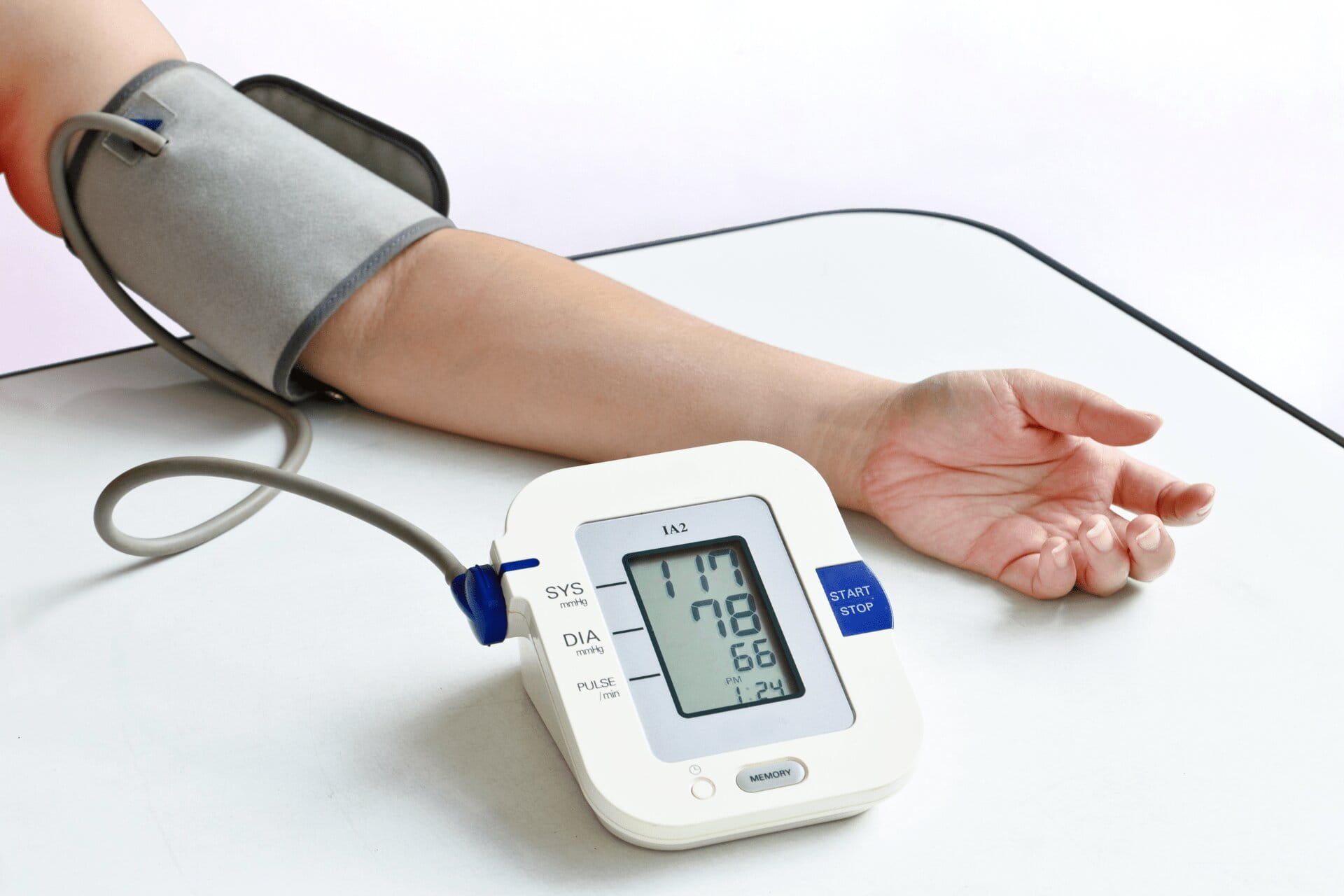
Blood pressure is measured using two numbers:
- Systolic Pressure: the pressure produced by a heartbeat.
- Diastolic Pressure: the pressure during the intervals between heartbeats.
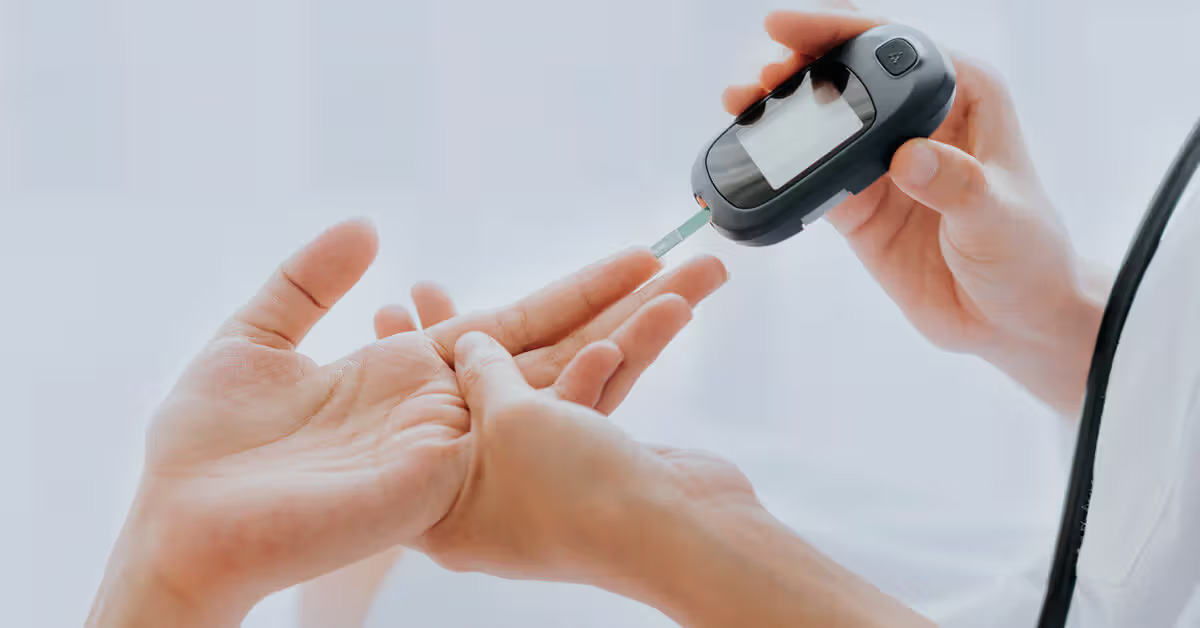
When blood pressure remains elevated over time, it increases the workload on the heart and blood vessels, which can lead to long-term health problems. Regular monitoring is important, especially for adults with risk factors such as obesity, diabetes, or a family history of hypertension.
Common Symptoms of High Blood Pressure
High blood pressure is often called the "silent killer" because many people experience no symptoms in the early stages. However, some individuals may experience:
- Frequent headaches
- Dizziness or lightheadedness
- Blurred vision
- Shortness of breath
- Chest discomfort
- Fatigue
- Nosebleeds (in severe cases)
- Irregular heartbeat
Although these symptoms can be associated with other conditions, they should never be ignored, especially if they occur frequently.
Causes of High Blood Pressure
Several factors can contribute to the development of hypertension. Some causes are related to lifestyle, while others may be linked to underlying medical conditions.
Unhealthy Diet
Consuming excessive salt, processed foods, and unhealthy fats can increase blood pressure levels over time.
Lack of Physical Activity
A sedentary lifestyle can contribute to weight gain and poor cardiovascular health, increasing the risk of hypertension.
Obesity
Being overweight places additional strain on the heart and blood vessels, making high blood pressure more likely.
Stress
Long-term stress can contribute to temporary and persistent increases in blood pressure.
Smoking and Tobacco Use
Smoking damages blood vessels and significantly increases the risk of hypertension and heart disease.
Excessive Alcohol Consumption
Regular alcohol intake may raise blood pressure and negatively affect overall cardiovascular health.
Family History
People with a family history of hypertension may have a higher risk of developing the condition.
Chronic Medical Conditions
Certain health conditions can increase blood pressure, including:
- Diabetes
- Kidney disease
- Thyroid disorders
- Sleep apnea
Risks of Uncontrolled High Blood Pressure
Hypertension can cause major health issues if it is not properly managed.
Heart Disease
High blood pressure forces the heart to work harder, increasing the risk of heart attack, heart failure, and other cardiovascular conditions.
Stroke
Hypertension is one of the leading risk factors for stroke because it can damage blood vessels supplying the brain.
Kidney Damage
Healthy blood arteries are essential to the kidneys' optimal operation. Kidney function may progressively decline if high blood pressure persists.
Vision Problems
Damage to the blood vessels in the eyes can lead to vision impairment and other eye-related complications.
Cognitive Decline
Long-term hypertension may affect brain health and increase the risk of memory problems and cognitive impairment.
How to Prevent High Blood Pressure
Making healthy lifestyle choices can significantly reduce the risk of developing hypertension.
Maintain a Healthy Diet
Choose a balanced diet rich in:
- Fruits and vegetables
- Whole grains
- Lean proteins
- Low-fat dairy products
Reduce the intake of salt, processed foods, and sugary beverages.
Exercise Regularly
Regular physical activity helps improve heart health and maintain healthy blood pressure levels.
Maintain a Healthy Weight
Losing excess weight can help lower blood pressure and reduce strain on the cardiovascular system.
Quit Smoking
Stopping smoking improves blood vessel function and lowers the risk of heart disease.
Manage Stress
Practicing relaxation techniques such as meditation, deep breathing, and adequate sleep can help support healthy blood pressure levels.
Monitor Blood Pressure Regularly
Routine blood pressure checks can help detect hypertension early and prevent complications.
When Should You See a Doctor?
A doctor should be consulted if you:
- Persistent headaches
- Chest pain
- Shortness of breath
- Dizziness
- Vision changes
- Consistently elevated blood pressure readings
Early diagnosis and treatment can help prevent serious complications and improve long-term health outcomes.
Frequently Asked Questions (FAQs)
What is considered high blood pressure?
Blood pressure is generally considered high when readings consistently remain above normal levels and require medical evaluation.
Can high blood pressure be cured permanently?
While hypertension may not always be cured, it can often be effectively controlled through lifestyle changes and medical treatment.
What foods should I avoid if I have high blood pressure?
It is recommended to limit foods high in salt, saturated fats, and added sugars.
Does stress cause high blood pressure?
Stress can contribute to temporary increases in blood pressure and may worsen hypertension over time.
Is high blood pressure dangerous?
Yes. If left untreated, high blood pressure can increase the risk of heart disease, stroke, kidney disease, and other serious health complications.
Which hospital is best for blood pressure treatment in Lahore?
IMC Hospital provides comprehensive diagnostic and treatment services for hypertension management, helping patients achieve better cardiovascular health.

Integrated Medical Care Hospital (IMC Hospital):
Integrated Medical Care Hospital (IMC Hospital), in partnership with DHA Lahore, revolutionizes neurological care with advanced techniques, expert surgeons, and a digital healthcare platform for seamless treatment. From minimally invasive procedures to complex surgeries, we ensure precision and patient-focused care. Schedule a consultation today