

Thyroid problems can affect women at different stages of life and may cause symptoms such as tiredness, unexplained weight changes, hair loss, mood changes, irregular periods and sensitivity to heat or cold.
Because many thyroid symptoms in women can look similar to stress, hormonal changes, pregnancy or menopause, thyroid conditions can sometimes go unnoticed.
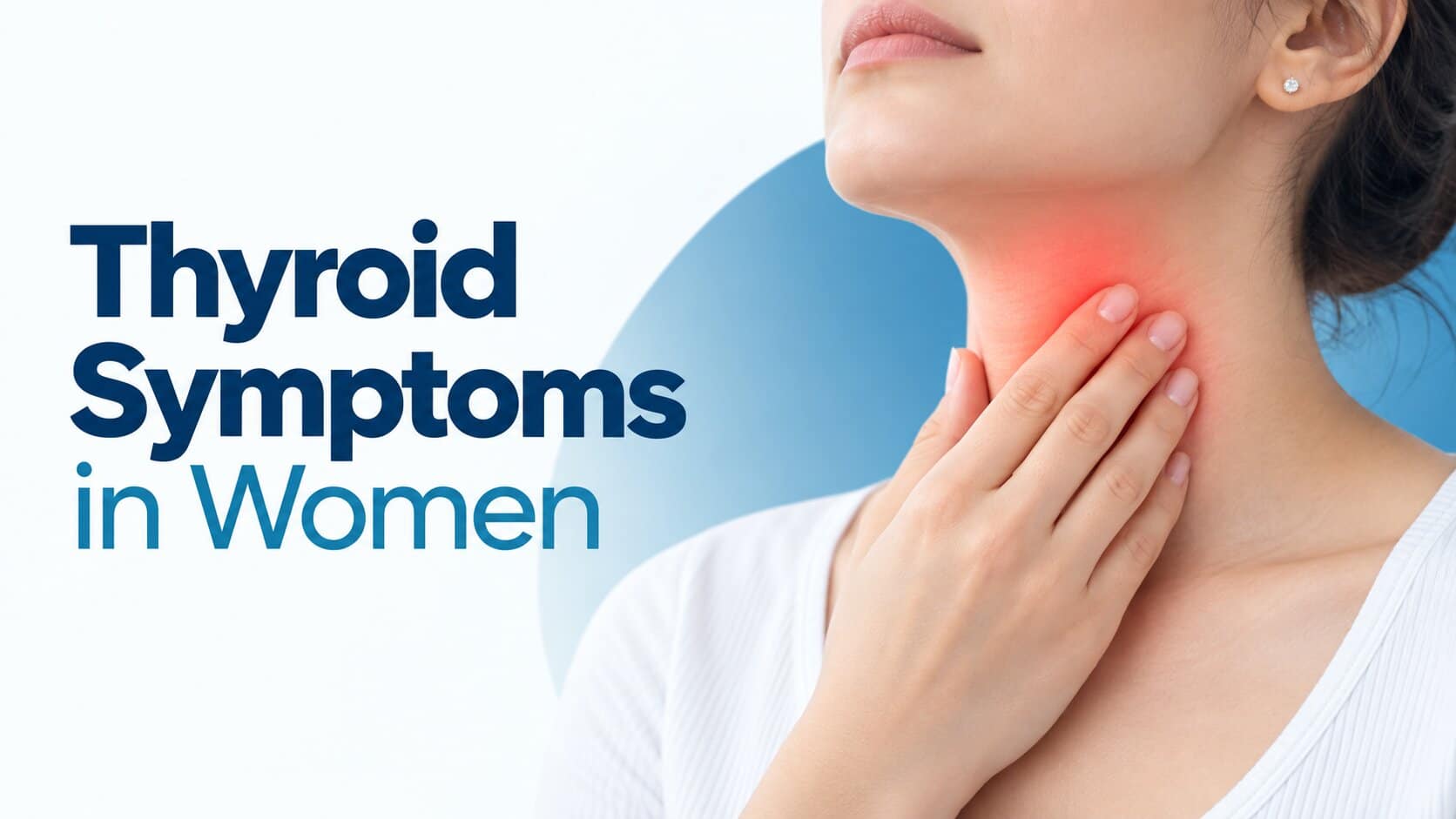
The thyroid is a little gland in the front of the neck that resembles a butterfly. It creates hormones that aid in regulating body temperature, heart rate, energy levels, metabolism, and many other critical processes.
At IMC Hospital Lahore, patients can access specialist care, diagnostic services and laboratory testing for thyroid and other hormonal conditions.
What Are the Most Common Thyroid Symptoms in Women?
Common thyroid symptoms in women include:
- Persistent tiredness
- Unexplained weight gain or weight loss
- Hair thinning or hair loss
- Dry skin
- Irregular or heavy periods
- Mood changes
- Difficulty concentrating
- Feeling unusually cold or hot
- Changes in heart rate
- Constipation or frequent bowel movements
Whether the thyroid is hyperactive or underactive determines the symptoms.
Hypothyroidism, another name for an underactive thyroid, is characterized by insufficient thyroid hormone production. Hyperthyroidism, or an overactive thyroid, is the overproduction of thyroid hormone.
Women concerned about thyroid symptoms can learn more about specialist care through the IMC Hospital Specialities Department.
1. Unexplained Weight Changes
Thyroid issues can occasionally be connected to changes in weight.
The body's metabolism may be slowed by an underactive thyroid, which could lead to weight gain. Conversely, an overactive thyroid may cause unexpected weight loss.
Weight fluctuations by themselves may not prove thyroid dysfunction, but they may be more important when paired with fatigue, hair changes, or sensitivity to cold.
2. Constant Tiredness
One of the typical signs of hypothyroidism is persistent weariness.
Some women may feel unusually tired even after getting enough sleep or may find normal daily activities more difficult than before.
However, a thorough medical evaluation is crucial because fatigue can also be brought on by anemia, insufficient sleep, stress, or dietary inadequacies.
3. Hair Loss or Thinning Hair
The regular cycle of hair growth can be impacted by changes in thyroid hormone levels.
Women may notice:
- Increased hair shedding
- Thinning hair
- Dry or brittle hair
- Changes in hair texture
Thyroid testing may be taken into consideration if hair loss coexists with other symptoms, as there are numerous potential causes.
4. Irregular or Heavy Periods
The menstrual cycle and reproductive health can be impacted by thyroid hormones.
Heavy or irregular periods may be linked to an underactive thyroid, and ovulation may also be impacted by thyroid hormone abnormalities.
Women with persistent menstrual changes can consult Obstetrics and Gynaecology specialists at IMC Hospital.
5. Feeling Cold or Hot More Than Usual
Because low thyroid hormone levels can impede metabolism, women with hypothyroidism may feel particularly cold.
Hyperthyroidism may cause the opposite effect, including:
- Excessive sweating
- Heat intolerance
- Feeling unusually warm
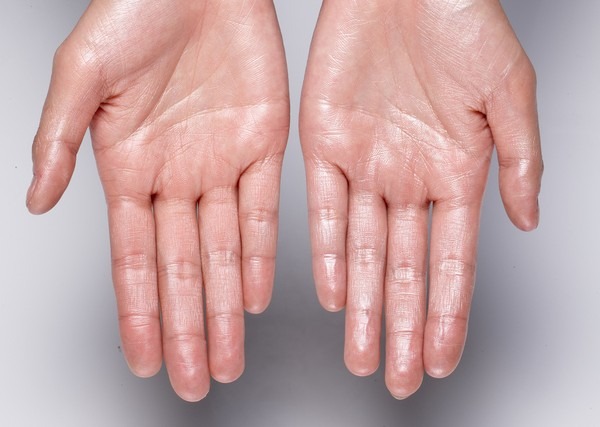
- Warm or moist skin
Persistent changes in temperature sensitivity may be worth discussing with a doctor.
6. Mood Changes and Anxiety
Thyroid hormone imbalances can sometimes affect mood and concentration.
An underactive thyroid may be associated with low mood, reduced motivation or difficulty concentrating.
An overactive thyroid may cause nervousness, irritability, restlessness or anxiety.
Mood swings alone should not be used to diagnose thyroid disease because these symptoms might have a variety of causes.
7. Changes in Heart Rate
Thyroid hormones can also affect the heart.
Hyperthyroidism may cause:
- A fast heartbeat
- Palpitations
- An irregular heartbeat
A slowed heart rate can occasionally be caused by hypothyroidism.
Persistent palpitations or unusual changes in heart rate should be assessed by a healthcare professional.
8. Dry Skin and Constipation
Dry, rough, or flaky skin might be a sign of an underactive thyroid.
Additionally, it may cause constipation by slowing digestion.
Increased frequency of bowel motions can occasionally be caused by an overactive thyroid.
Thyroid testing may be useful when these symptoms coexist with fatigue, weight fluctuations, or temperature sensitivity.
9. Brain Fog and Difficulty Concentrating
Some women with thyroid problems experience forgetfulness or difficulty concentrating, sometimes described as "brain fog."
These symptoms are more commonly linked with hypothyroidism, although poor sleep, stress and vitamin deficiencies can also affect concentration.
10. Fertility Problems
Menstrual periods and ovulation can be impacted by thyroid hormone levels.
In some women, untreated thyroid dysfunction may contribute to difficulty becoming pregnant.
Thyroid testing should be discussed with a healthcare provider by women who are attempting to conceive and have irregular periods or other thyroid symptoms.
Thyroid Symptoms During and After Pregnancy
Thyroid health is especially important during pregnancy.
After giving delivery, some women may also experience postpartum thyroiditis. Overactive thyroid symptoms may be momentarily brought on by this disorder, followed by underactive thyroid symptoms.
Possible symptoms include:
- Tiredness
- Palpitations
- Weight changes
- Mood changes
- Sensitivity to heat or cold
Blood tests may be needed to determine whether these symptoms are related to thyroid function.
What Causes Thyroid Problems in Women?
Several conditions can affect thyroid function.
Hashimoto's Disease
Hashimoto's disease is an autoimmune condition in which the immune system attacks the thyroid gland and may cause hypothyroidism.
Graves' Disease
Graves' disease is another autoimmune condition that can cause the thyroid to produce too much hormone, resulting in hyperthyroidism.
Thyroiditis
Inflammation of the thyroid gland can temporarily increase or decrease thyroid hormone levels.
Thyroid Nodules
The thyroid gland may develop little lumps. Some may require more research, but the majority do not produce symptoms.
How Are Thyroid Problems Diagnosed?
Symptoms alone cannot confirm a thyroid condition, so doctors commonly use blood tests.
TSH Test
TSH, or thyroid-stimulating hormone, is usually one of the first tests used to assess thyroid function.
Free T4 Test
Free T4 measures one of the main thyroid hormones in the blood and is often tested alongside TSH.
Thyroid Antibody Tests
These tests may help identify autoimmune thyroid conditions such as Hashimoto's disease.
IMC Hospital offers a range of investigations through its laboratory and test services, including thyroid-related blood tests.
When Should You See a Doctor?
Consider seeking medical advice if you experience several persistent thyroid-related symptoms, including:
- Unexplained tiredness
- Significant weight changes
- Persistent hair loss
- Irregular or heavy periods
- Ongoing constipation
- Palpitations
- Swelling or a lump in the neck
- Unusual heat or cold intolerance
A doctor can assess your symptoms and determine whether thyroid testing is needed.
Which Doctor Treats Thyroid Problems?
Thyroid disorders are commonly treated by an endocrinologist, a doctor who specialises in hormonal and endocrine conditions.
Patients can explore IMC Hospital doctors or view the profile of Dr. Muhammad Ayub Khan, Consultant Endocrinologist, whose areas of focus include thyroid and parathyroid disorders.
Frequently Asked Questions
What are the first signs of thyroid problems in women?
Early signs may include tiredness, weight changes, hair loss, dry skin, menstrual changes and sensitivity to heat or cold.
What are underactive thyroid symptoms in women?
Common symptoms include fatigue, weight gain, feeling cold, constipation, dry skin, thinning hair and heavy or irregular periods.
What are overactive thyroid symptoms in women?
Symptoms may include weight loss, heat intolerance, sweating, anxiety, palpitations and difficulty sleeping.
Can thyroid problems affect periods?
Yes. Thyroid hormone imbalances may affect menstrual cycles and can cause irregular or heavy periods.
Can thyroid problems cause hair loss?
Yes. Thyroid problems may contribute to thinning hair or increased hair shedding.
What test checks thyroid function?
A TSH blood test is commonly used first, often together with Free T4 and other thyroid tests if needed.
Thyroid Care at IMC Hospital Lahore
Women's thyroid symptoms might be mild and can coexist with a variety of other illnesses. Thus, it is important to adequately evaluate any persistent fatigue, hair loss, weight fluctuations, menstruation irregularities, palpitations, or extreme temperature sensitivity.
At IMC Hospital Lahore, patients can access specialist endocrinology care, laboratory testing and diagnostic services for thyroid and other hormonal conditions.
If you are concerned about possible thyroid symptoms, you can find a specialist at IMC Hospital and discuss whether thyroid testing or further evaluation may be appropriate.